
Embracing Culture: Our Experience at the Sikhi Camp in Ballarat, Australia
12/30/20255 min read
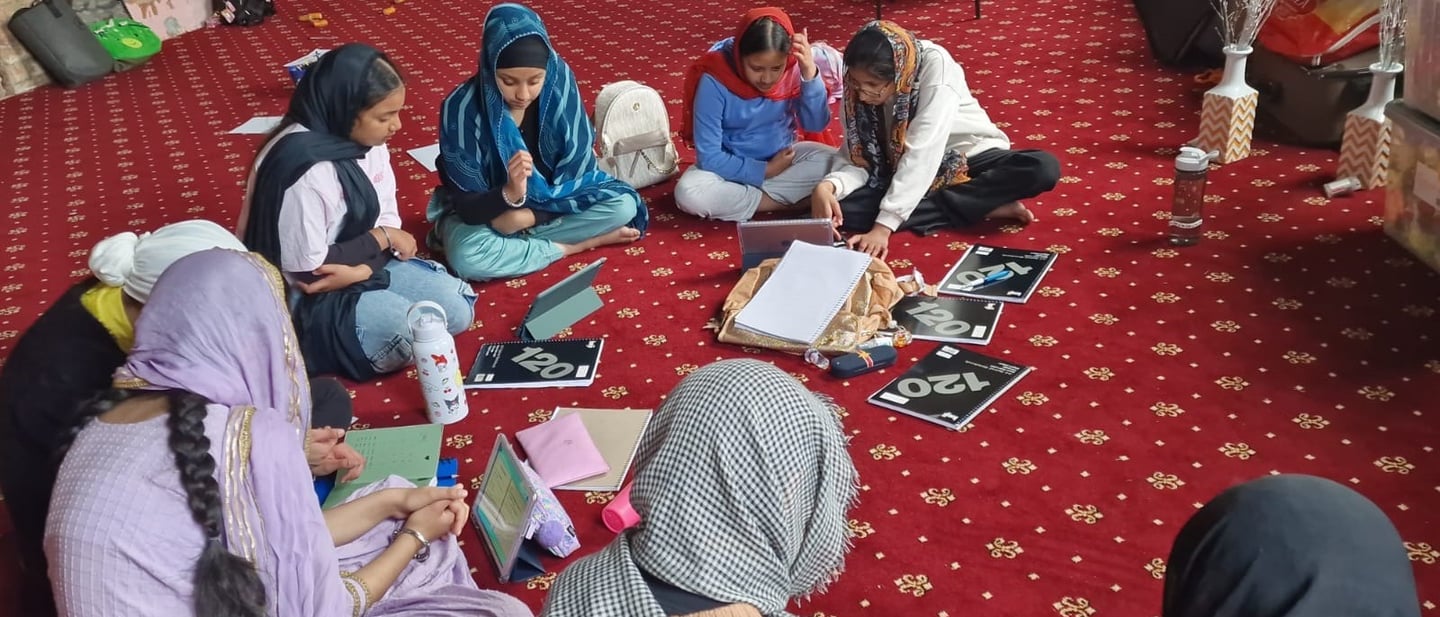
Sikhi Camp -Dal Baba Bidhi Chand, Ballarat, Australia.
The Sikhi Camp for kids held in Ballarat, Australia, serves as an essential gathering that promotes Sikh education and cultural activities. Organized by Ballarat Gurdwara sahib with sewadaars, the camp aims to provide an immersive experience that deepens participants' understanding of Sikh traditions, values, and practices.
Set against the beautiful backdrop of Ballarat, the camp offers a unique environment for both young and adult attendees to engage in various educational and cultural activities. The activities include interactive workshops, discussions, and presentations led by knowledgeable speakers who are well-versed in Sikh philosophy and history. These sessions are thoughtfully designed to suit participants of all ages, fostering a sense of belonging and community among attendees.
The overall purpose of the Sikhi Camp is not merely to educate but also to inspire participants to embrace and live by Sikh principles. By focusing on the teachings of the Gurus, the camp encourages individuals to cultivate and appreciate their cultural identity while forging strong connections with fellow Sikhs. The diversity in programming allows attendees to explore multiple facets of Sikhism, from spiritual practices to social responsibilities.
In addition to educational pursuits, attendees also engage in cultural activities such as music, dance, and art, showcasing the rich heritage of Sikh culture. These elements play a crucial role in reinforcing the sense of unity and community vital to the Sikh identity. Overall, the Sikhi Camp represents a profound opportunity for individuals to immerse themselves in Sikh learning and to foster lasting relationships based on shared cultural values.
Activities and Learning Experiences
The Sikhi Camp in Ballarat, Australia, offers a diverse range of activities designed to immerse children in the rich tapestry of Punjabi culture and Sikh history. One of the most notable aspects of the camp is its focus on interactive learning, which not only engages participants but also enhances their understanding of their cultural heritage.
Throughout the camp, children participated in various workshops that revolved around the history of Sikhism, with particular emphasis on the life and teachings of Guru Gobind Singh Ji. These educational sessions were tailored to be both informative and engaging, employing storytelling methods that resonated with the young minds. Through animated presentations, group discussions, and role-playing exercises, the campers developed a deeper connection to their roots.
Integral to the learning experience was the use of modern technology, especially tablets that facilitated Gurmukhi and Punjabi education. Campers utilized these devices to access a range of learning materials and interactive programs designed to teach them the intricacies of the Gurmukhi script alongside cultural and religious narratives. The digital platform allowed for a more engaging approach to learning, where children could explore various facets of Sikh history, including the biographies of revered personalities such as Guru Nanak Dev Ji and Guru Tegh Bahadur Ji.
This amalgamation of traditional teachings with contemporary tools not only catered to the educational needs of the participants but also made learning a cherished experience. The responsive nature of the camp encouraged children to ask questions and engage actively in discussions about their heritage, thereby fostering a sense of pride in their identity. By the end of the camp, it was evident that the combination of structured activities and modern education had made a significant impact on the attendees' understanding of their cultural history.
The Importance of Cultural Education for Children
Teaching children about their cultural heritage and faith is a vital element of their development. At a young age, children are not only curious about the world around them but are also in the process of forming their identities. Instilling knowledge about their culture, particularly in the context of the Sikhi Camp in Ballarat, Australia, provides children with a framework for understanding their roots. Activities designed to teach the principles of Sikhism—such as community service, storytelling, and traditional practices—help foster a sense of belonging among young participants.
Through engaging programs, children learn the significance of concepts such as equality, community service, and the importance of spiritual teachings in Sikhism. These values are not merely theoretical; they are intended to shape the character and moral compass of each child. When children actively participate in cultural education, they begin to appreciate the history and traditions of their faith, which enriches their personal identities. This is crucial in an increasingly multicultural society, where understanding one's own culture alongside others is essential for harmonious co-existence.
Moreover, involvement in cultural activities cultivates a supportive community environment. Children gain the opportunity to bond with peers who share similar backgrounds, enhancing their social skills and emotional intelligence. Workshops and collaborative projects centered around Sikh practices allow them to explore their heritage in a meaningful way. As they engage with their culture, they develop not only pride in their identity but also respect and empathy for diverse cultures, which is fundamental in today’s globalized world.
In conclusion, cultural education plays an indispensable role in children's growth, fostering a solid identity and a sense of belonging that will accompany them throughout their lives. By participating in camps such as those in Ballarat, children are better prepared to navigate the complexities of a diverse world, grounded in a rich understanding of their Sikh heritage.
Conclusion and Personal Reflections
Attending the Sikhi Camp in Ballarat, Australia, was a profoundly enriching experience that resonated deeply within me. The palpable enthusiasm displayed by the children as they engaged in learning about their culture and religion left a lasting impression. Observing their eagerness to grasp the teachings of Sikhism illustrated the enduring power of cultural education in shaping young minds. Each session sparked curiosity and fostered a sense of community among the attendees, reinforcing the values that bind us as a collective.
It was inspiring to see how the camp provided a structured environment where the children could explore the foundational concepts of Sikh principles, traditions, and practices. This initiative plays a crucial role not only in educating the younger generation but also in sustaining the vibrant culture of Sikhism. The joyful interactions and shared knowledge among participants demonstrated the importance of such gatherings in preserving our heritage.
The impact of the camp extended beyond the event itself; it served as a reminder of the responsibility we hold in passing down the rich history and teachings of Sikhism to the next generation. The excitement in the children's eyes as they learned about the significance of their faith was a testament to the importance of cultural initiatives. These efforts ensure that the values and teachings of Sikhism remain alive and relevant, fostering pride in one's identity.
In conclusion, the Sikhi Camp exemplifies how vital it is to facilitate spaces for cultural exchange and learning. Such initiatives not only promote awareness but also cultivate a sense of belonging and continuity within the community. Witnessing the children's enthusiasm affirmed my belief in the importance of nurturing a culture that values education, tradition, and shared experiences. Only through committed efforts can we hope to preserve the essence of Sikh teachings and ensure that they thrive for future generations.
Sadi Ma Boli - Gurmukhi Educational App
Sadimaboli@gmail.com



DOWNLOAD THE APP NOW!